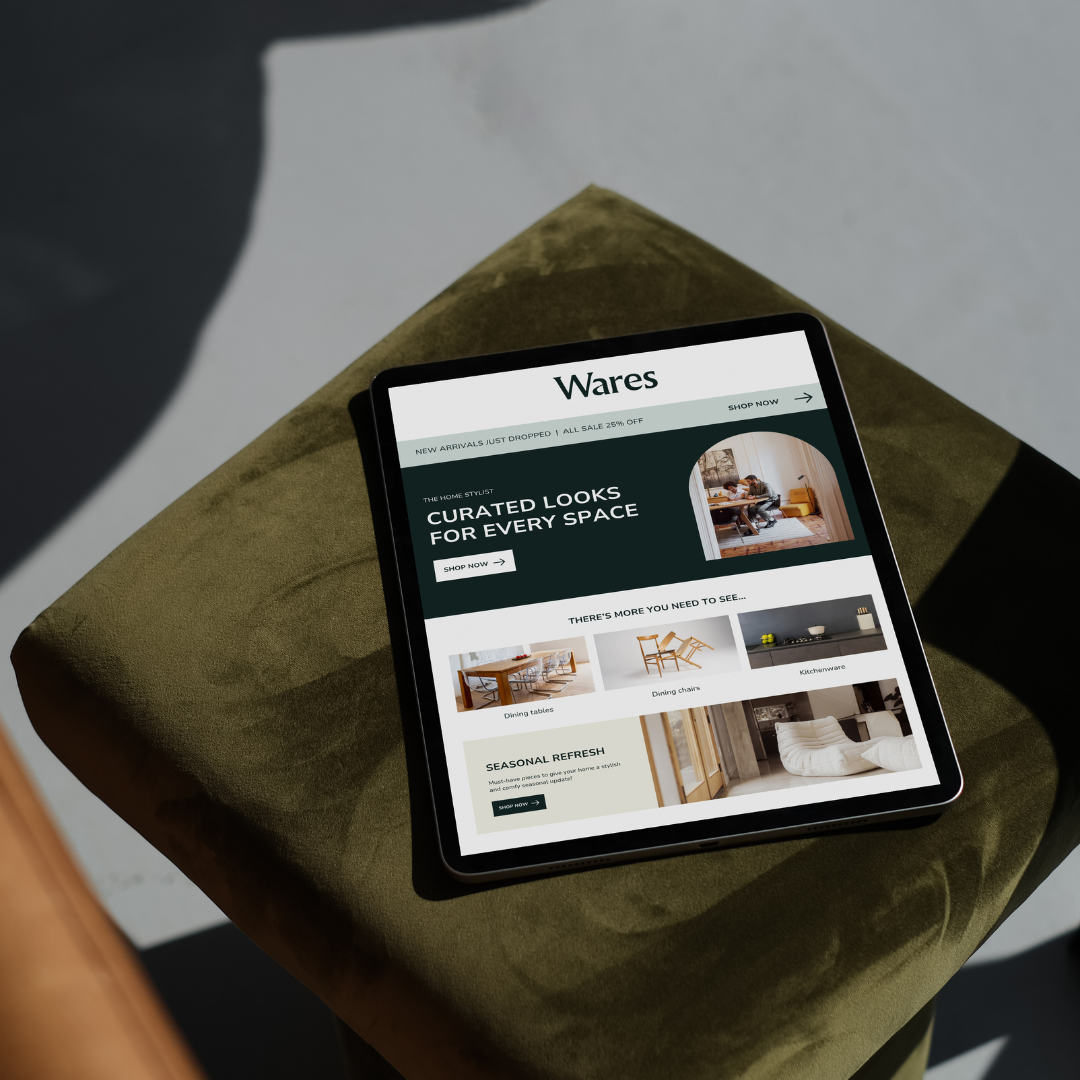

Web design is more than just aesthetics—it’s about understanding human behavior and leveraging design elements to create intuitive, engaging, and high-converting websites. Colors, fonts, and layouts play a crucial role in shaping user perception, guiding actions, and evoking emotions. Let’s explore how the psychology of web design influence users and how you can use them strategically in your web design projects.
The Power of Color Psychology in Web Design
Colors are one of the most influential aspects of design, as they evoke emotions and set the tone for a brand. Different colors trigger different psychological responses, which can impact user experience and conversion rates.
- Red: Creates urgency, stimulates appetite, and conveys excitement (often used in sales promotions and food brands like Coca-Cola).
- Blue: Represents trust, calmness, and professionalism (commonly used by tech companies like Facebook and LinkedIn).
- Green: Symbolizes nature, health, and growth (popular in environmental and wellness industries).
- Yellow: Evokes happiness and optimism but can also signal caution (used by brands like McDonald’s and Ikea).
- Black & White: Black adds sophistication and elegance, while white conveys simplicity and cleanliness (luxury brands often use a black-and-white color scheme).
How to Use Colors Effectively in Web Design
- Maintain brand consistency by using a defined color palette.
- Utilize contrast to highlight key elements like CTAs (Call-to-Actions).
- Consider cultural associations of colors based on your target audience.
The Role of Typography in User Experience
Typography is more than just selecting a stylish font—it influences readability, mood, and brand identity. Choosing the right fonts ensures your website remains accessible and appealing.
Font Psychology and Its Impact
- Serif Fonts (e.g., Times New Roman, Georgia): Convey tradition, trust, and formality (commonly used in newspapers and corporate websites).
- Sans-Serif Fonts (e.g., Arial, Helvetica, Roboto): Modern, clean, and easy to read on screens (widely used for tech companies and minimalist designs).
- Script Fonts (e.g., Pacifico, Dancing Script): Personal, elegant, and creative (often found in wedding and luxury branding).
- Display Fonts (e.g., Impact, Lobster): Bold, attention-grabbing, and unique (used in creative industries and headlines).
Best Practices for Typography in Web Design
- Limit the number of fonts (stick to 2-3 for consistency).
- Prioritize readability with proper font sizes (16px or larger for body text).
- Use hierarchy to structure content (headings, subheadings, body text).
- Ensure adequate line spacing and contrast for better accessibility.
The Impact of Layout and Structure
The layout of a website determines how users navigate and interact with content. A well-structured layout enhances user experience and guides visitors toward conversion points seamlessly.
Common Website Layouts and Their Effects
- F-Pattern Layout: Users scan pages in an F-shape, meaning key information should be placed along the top and left side.
- Z-Pattern Layout: Best for landing pages, guiding users’ eyes from the top left, diagonally across, and back to a CTA.
- Card-Based Layouts: Organized, scannable sections often used in e-commerce and portfolio sites.
- Minimalist Layouts: Clean, clutter-free designs that enhance focus and engagement.
Optimizing Layout for Better UX
- Use whitespace to improve readability and avoid overwhelming users.
- Place CTAs strategically within scanning patterns.
- Design for mobile responsiveness to ensure accessibility on all devices.
Conclusion
Understanding the psychology behind colors, fonts, and layouts allows web designers to create visually compelling and highly functional websites. By strategically implementing these elements, you can improve user engagement, build brand trust, and drive conversions. Whether designing an e-commerce platform or a business website, applying these principles will enhance the overall user experience and effectiveness of your design.
Ready to optimize your website’s design with psychology-driven strategies? Contact me today for a free consultation!